
Wholesale for Canada
Wholesale Desktop CNC Machines for Canada: Duties, GST and HST From China
Canadian buyers who order desktop CNC machines in small wholesale lots are typically sign and engraving shops, schools, maker spaces and resellers who want to test several machines and parts first. This page explains how a mixed order from Chinese sellers reaches Canada, which taxes and surtaxes need to be checked, and which categories on this site suit buyers there, such as desktop routers, workholding and rotary axes.
Canada has a federal GST of 5%, and provinces add HST or PST depending on where you are. Duty depends on tariff classification and origin, and some Chinese-origin goods carry extra surtaxes, so each tariff item must be checked. Value for duty generally excludes international freight and insurance. A commercial importer needs a business number with an import/export account, and a customs broker usually files. Rules change; confirm them before ordering.
What to know before you import desktop CNC machines into Canada
GST plus provincial tax
Federal GST is 5%, and provinces add HST or PST depending on the province, so the total tax on the same shipment differs by destination. Ask your broker which combination applies to your delivery address and business status, and work it out per province before comparing prices if you sell into several.
Surtaxes on Chinese-origin goods
Duty depends on classification and origin, and some Chinese-origin goods carry extra surtaxes. Check the specific tariff item for each product, since a spindle, a router and a vise may be treated differently. Ask the broker for the current surtax status before ordering, because these measures can change.
Value for duty excludes freight
Value for duty generally excludes international freight and insurance, so duty is figured on the goods price. Keep the commercial invoice aligned with what you actually paid, line by line, and ask your broker how a buying-service fee should appear on the paperwork so the declared value is correct.
Business number and broker
Importing commercially requires a business number with an import/export account, and a customs broker usually files. Set the account up before the first shipment, and give the broker the invoice, packing list and product descriptions early so classification questions are settled before the goods arrive.
Consumer product rules and bilingual labels
The Canada Consumer Product Safety Act and product-specific regulations apply to many goods, and bilingual labelling rules apply to many consumer goods. For machines and electrical parts, check whether certification, labelling or manuals in both languages are expected before you sell, and ask the national authority or your broker.
Customs rules, rates and product requirements change. Treat this page as orientation and confirm the current position for your exact product with a licensed customs broker or the national customs authority before you order.
Routes and timing for Canada
Typical Canadian ports are Vancouver and Prince Rupert on the west coast and Montreal and Halifax in the east, and sea routes via the US West Coast are common for inland buyers. Sea time is roughly 4 to 6 weeks door to door. For a small mixed shipment, ask whether the forwarder offers consolidated LCL through a US gateway and which broker will clear the goods in Canada, then compare the quotes for each route.
A small wholesale plan for Canada
Open the import account
Set up your business number with an import/export account and choose a customs broker. Send the broker our listing details so classification and surtax checks are done before you buy.
Order samples across categories
Buy single units of a router, a workholding item and a rotary axis, or whichever categories you plan to resell, and have us inspect and photograph them in China before deciding on quantities.
Ship one mixed lot
Consolidate the goods from several sellers into one shipment, choose a west coast, east coast or US gateway route with your forwarder, and confirm labelling and manual language requirements before selling.
Listings buyers in Canada ask about
-
Desktop CNC routers
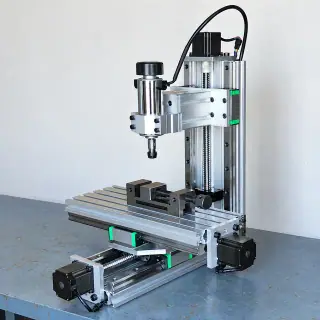
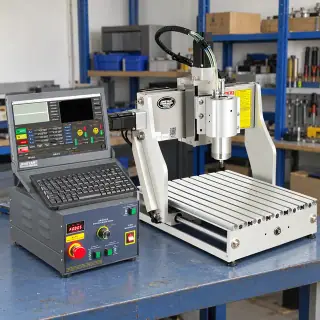
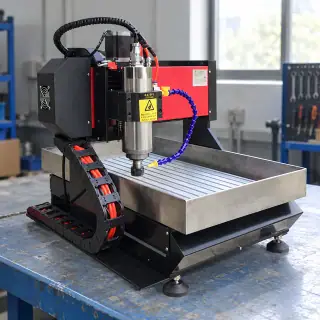
8 archived listings, observed $84.23–$2,901.
-
Workholding
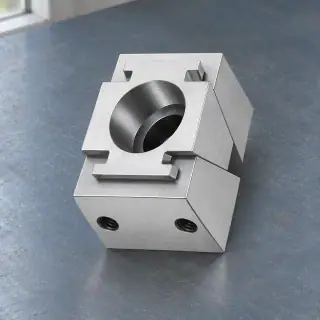
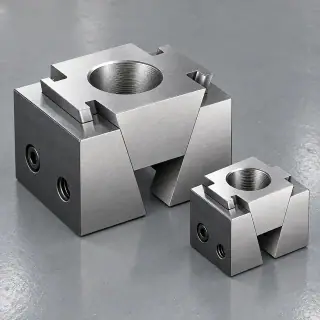
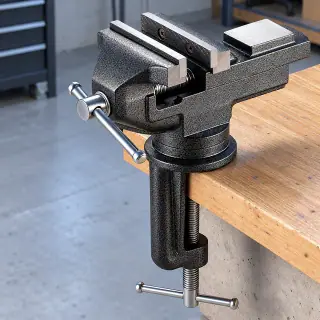
14 archived listings, observed $0.46–$27.92.
-
Rotary axes
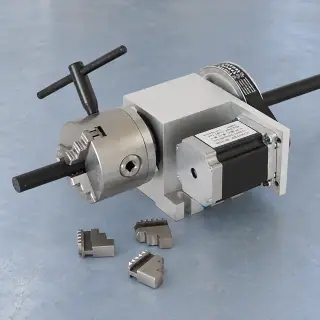
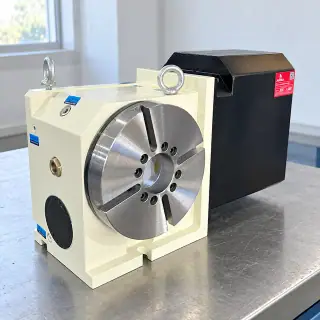
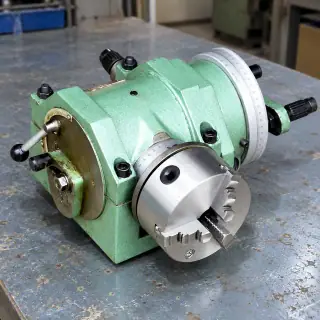
13 archived listings, observed $86.76–$6,813.
-
Cutters and bits



14 archived listings, observed $0.92–$7.81.
Wholesale desktop CNC machines for Canada: questions
How much GST or HST applies to CNC machines imported into Canada?
The federal GST rate is 5%, and provinces add HST or PST depending on the province, so the combined tax depends on where the goods are delivered and on your business status. Ask your broker to model it for your province. Duty is separate and depends on classification and origin.
Do Chinese-origin CNC parts face surtaxes in Canada?
Some Chinese-origin goods carry extra surtaxes, but whether a specific part does depends on the tariff item. Ask a customs broker to check the item for each product line, such as spindles, collets or controllers, and to confirm the current position before ordering. Rules change, so do not rely on a rate you saw earlier.
Can I ship through the US West Coast to reach inland Canadian buyers?
Sea routes via the US West Coast are common for inland Canadian buyers, as an alternative to Vancouver, Prince Rupert, Montreal or Halifax. Ask your forwarder who clears the goods and how the onward leg is quoted. Sea time is roughly 4 to 6 weeks door to door.
Do bilingual labelling rules apply to desktop CNC machines in Canada?
Bilingual labelling rules apply to many consumer goods, and the Canada Consumer Product Safety Act covers many products. Whether a machine, spindle or controller falls under them depends on the product and how it is sold. Ask your broker or the national authority, and ask the seller whether manuals or labels in both languages exist.
Importing to another market?
Planning a first order for Canada? Tell us the items, the quantities and the delivery address and we return an itemised delivered price, with the sample-first option laid out.
Plan a small order