
-
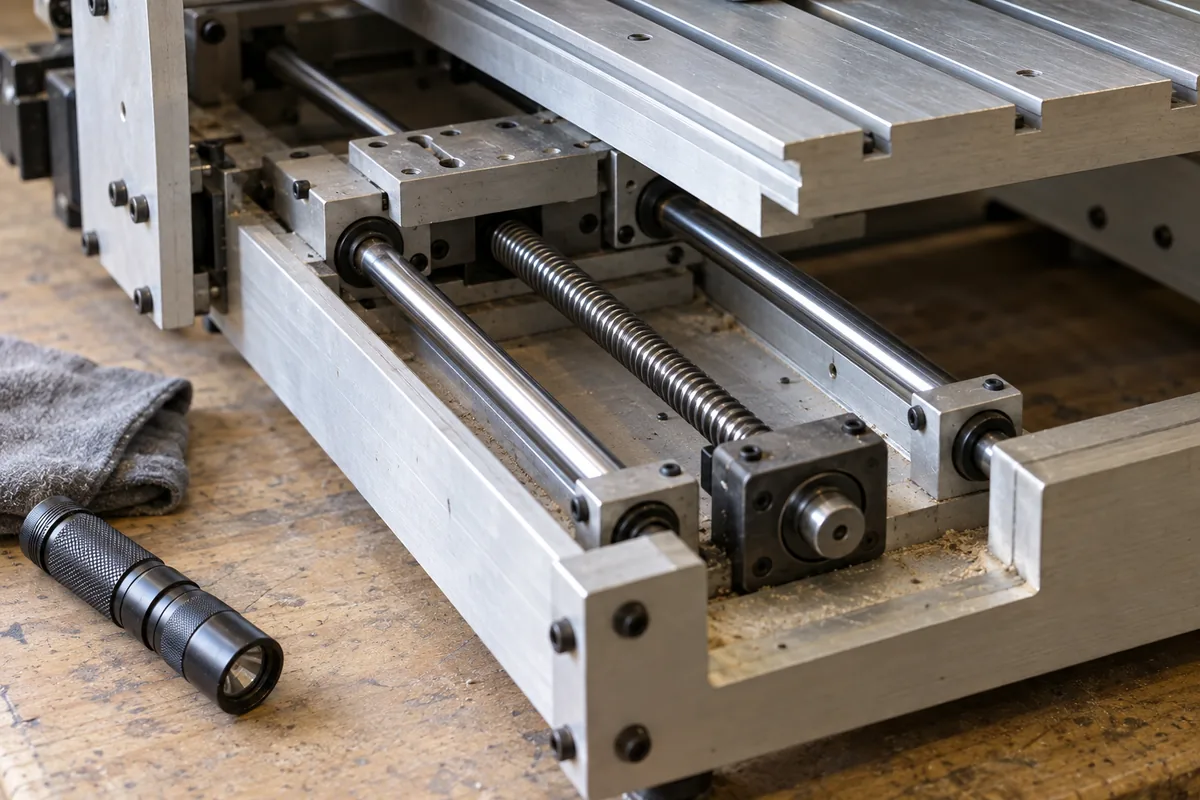
Request current photos of the whole machine, serial plate, controller, spindle/drive labels and included accessories.
-
Confirm make, model, revision, year if documented, seller identity and whether the seller owns or is authorised to sell it.
-
Ask for service history, collision or repair disclosures, storage conditions and recent use. Treat hours and condition claims as unverified until supported.
-
Confirm the machine is complete and identify any components shown in old photos that are excluded.
In this guide
Turn this guide into a buying request
Keep this page as context. Add what you know; review everything before sending. No purchase is made at this step.
Continue to request →A used CNC from Xianyu can make sense when its condition is inspectable, essential controls and parts are supported, and the repair-adjusted delivered cost is meaningfully below an equivalent new option. The platform name and low asking price do not establish any of those facts.
For a matched comparison, send the used listing and new alternative, exact machine revisions, your intended part and material, destination and latest usable date. Mark inspection access, controller recovery and repair costs as confirmed or unresolved.
A remote used-machine purchase is a poor fit when you need immediate dependable production, cannot arrange competent inspection or would be unable to repair or return the unit. No real listing or verified availability is represented by this guide’s example.
Begin with identity and the right to sell
- Request current photos of the whole machine, serial plate, controller, spindle/drive labels and included accessories.
- Confirm make, model, revision, year if documented, seller identity and whether the seller owns or is authorised to sell it.
- Ask for service history, collision or repair disclosures, storage conditions and recent use. Treat hours and condition claims as unverified until supported.
- Confirm the machine is complete and identify any components shown in old photos that are excluded.
- Record the listing, exact agreed configuration and inspection/rejection conditions before payment.
Have a competent inspector examine the exact unit
- Unpowered condition: damage, corrosion, contamination, loose or missing parts and visible modifications, using manufacturer-approved access procedures.
- Machine geometry and motion: agreed checks for travel, repeatability, backlash or lost motion, alignment and runout with appropriate instruments. Avoid a universal tolerance copied from another machine.
- Spindle and axes: approved warm-up and operating checks, alarms, abnormal behaviour and condition under the representative cut.
- Electrical and safety systems: inspect through qualified personnel and the machine instructions; no bypassed interlock or improvised energising.
- Tooling and auxiliaries: holder condition, cooling equipment, lubrication, extraction interface and any ATC operation within the agreed test scope.
Make the test result transferable to your job
Use your material and a representative part with pre-agreed acceptance features. Record the unit identity, cutter, holder, workholding, RPM, feed, engagement, program revision and measured results. A clip showing the spindle turning proves much less than a measured cut.
Ask which checks were not possible and why. A test made before dismantling does not establish post-transit alignment or long-term reliability. Keep a commissioning and re-acceptance allowance at the destination, and make its owner explicit.
Check controller recovery before valuing the bargain
- Exact controller and operating-system compatibility, software licence transfer rights and usable installation media.
- Machine parameters and configuration backups, passwords or support access handled through authorised secure channels.
- Electrical diagrams, operating manual and a list of replacement drives, boards, encoders and spindle parts.
- Who can troubleshoot the unit locally, their likely availability and a written estimate for known repairs.
- Whether a controller replacement would require new drives, rewiring, CAM/post changes or a new safety assessment. Do not budget only the price of a board.
Importing used machinery has destination responsibilities
For UK workplace supply, HSE says “sold as seen” does not remove safety duties. It also explains that used machinery not previously placed on the UK market can trigger conformity responsibilities for the person first bringing it into use or placing it on that market. Other destinations require their own review before purchase.
UK HSE: responsibilities when supplying second-hand work equipment ↗
Illustrative economics: the discount can disappear
Assumptions only, prepared 2 October 2026: one hypothetical used router and one new equivalent, each delivered to the same ground-floor workshop, USD, equal demonstrated job capability. No quote, current stock, repair diagnosis or tax rate is implied.
Used: purchase 850 + independent inspection 180 + confirmed repair estimate 250 + missing tooling/software 150 + packing/origin movement 180 + freight/destination/unloading 420 = USD 2,030 before duty, taxes and any further commissioning.
New: complete purchase 1,450 + inspection 100 + tooling/software 80 + packing/origin movement 140 + freight/destination/unloading 420 = USD 2,190 on the same pre-tax boundary. The used option is only USD 160 lower despite a USD 600 machine-price gap.
If another inspection establishes a required USD 300 spindle repair, the used total becomes USD 2,330 and exceeds the new example by USD 140. That is a sensitivity test, not an assumed failure probability. Unknown repair exposure should stay unknown until diagnosed; do not present a made-up expected loss as measured risk.
Use a clear go, hold or reject decision
- Go: identity, condition, legal/document requirements, support and the test meet the agreed criteria; the accepted total leaves a saving you consider worthwhile.
- Hold: a repair, controller licence, missing document or freight restriction remains unresolved. Obtain the missing evidence before release.
- Reject: the seller cannot permit essential inspection, the machine cannot pass required checks, or safe operation and repair support cannot be established.
- Write the return, collection, dismantling, packing, damage and dispute arrangements into the purchase scope. Do not assume a domestic used sale includes an export warranty.
Request matched used and new options
Send both listings if available, the part drawing, material, required accuracy and output, destination and latest usable date. Request the same inspection and delivery scope for both, with repairs and missing equipment itemised. Keep the decision on delivered accepted capability, not on the percentage discount in a screenshot.
What to ask the seller
Get details for the exact item before approving a purchase.
- What model and revision is being shipped?
- Can the seller provide photos of the actual item and its condition?
- What accessories and documents are included?
- What are its packed dimensions and weight?
Plan the CNC inspection
Ask for a photo checklist of the goods received before international shipping.

- Item, model and quantity
- Visible condition and included accessories
- Packaging before dispatch
Common questions
- Is a seller’s video enough?
- No. It is one piece of evidence. For a remote used purchase, require unit identification, agreed tests and measured results, with limitations recorded.
- Can inspection guarantee no future faults?
- No. It establishes the observed condition and test results within its scope. Hidden or intermittent defects and future wear may remain.
- Does a used machine automatically avoid compliance requirements?
- No. Requirements depend on destination, prior market status, intended use and changes made to the machine. Have the specific import and installation reviewed.
- Should I buy if the seller refuses a cutting test?
- If that test is necessary to establish your required capability, treat the missing evidence as a purchase blocker unless an acceptable alternative is agreed.
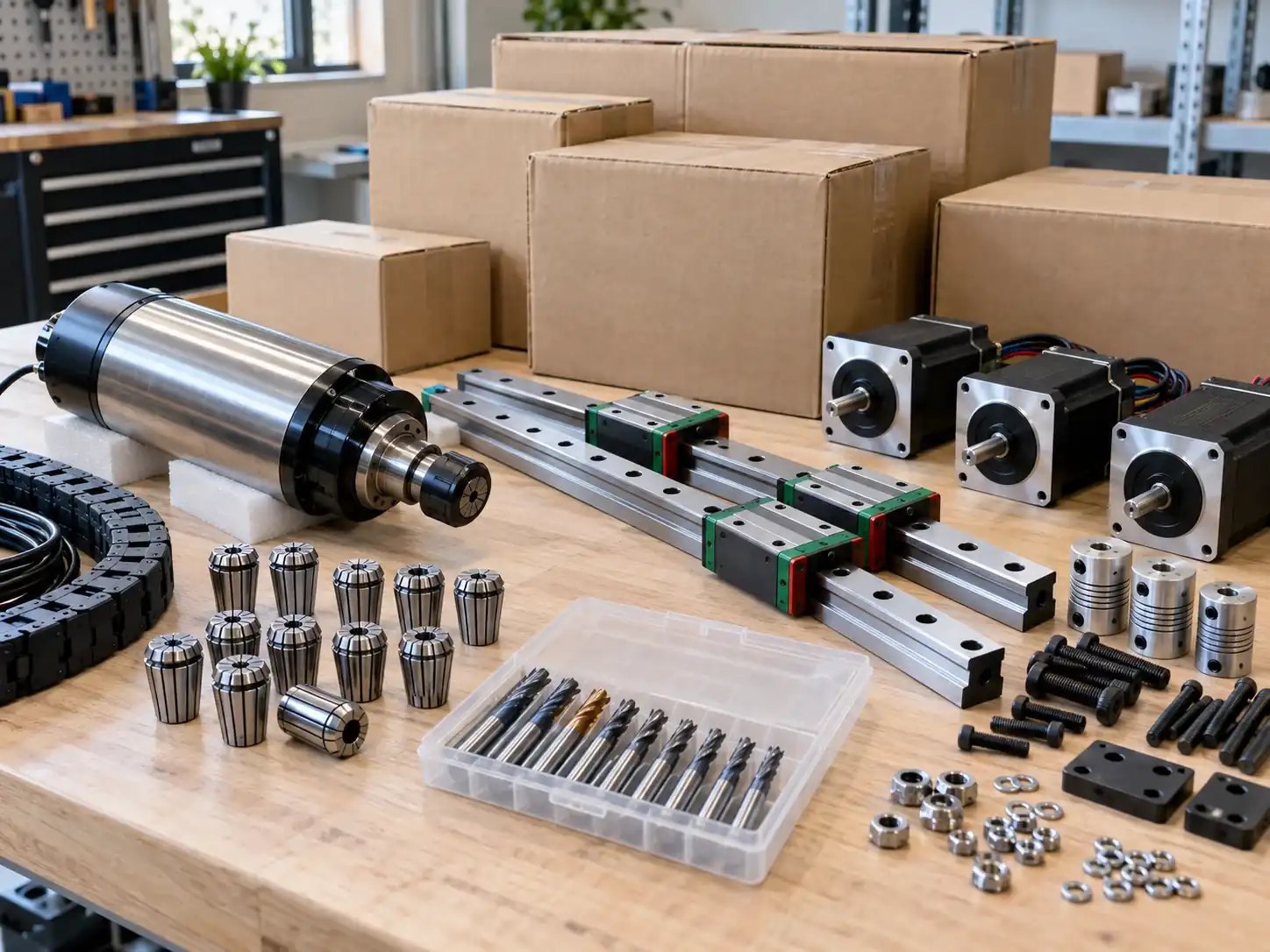 Shipping a desktop CNC machine from China
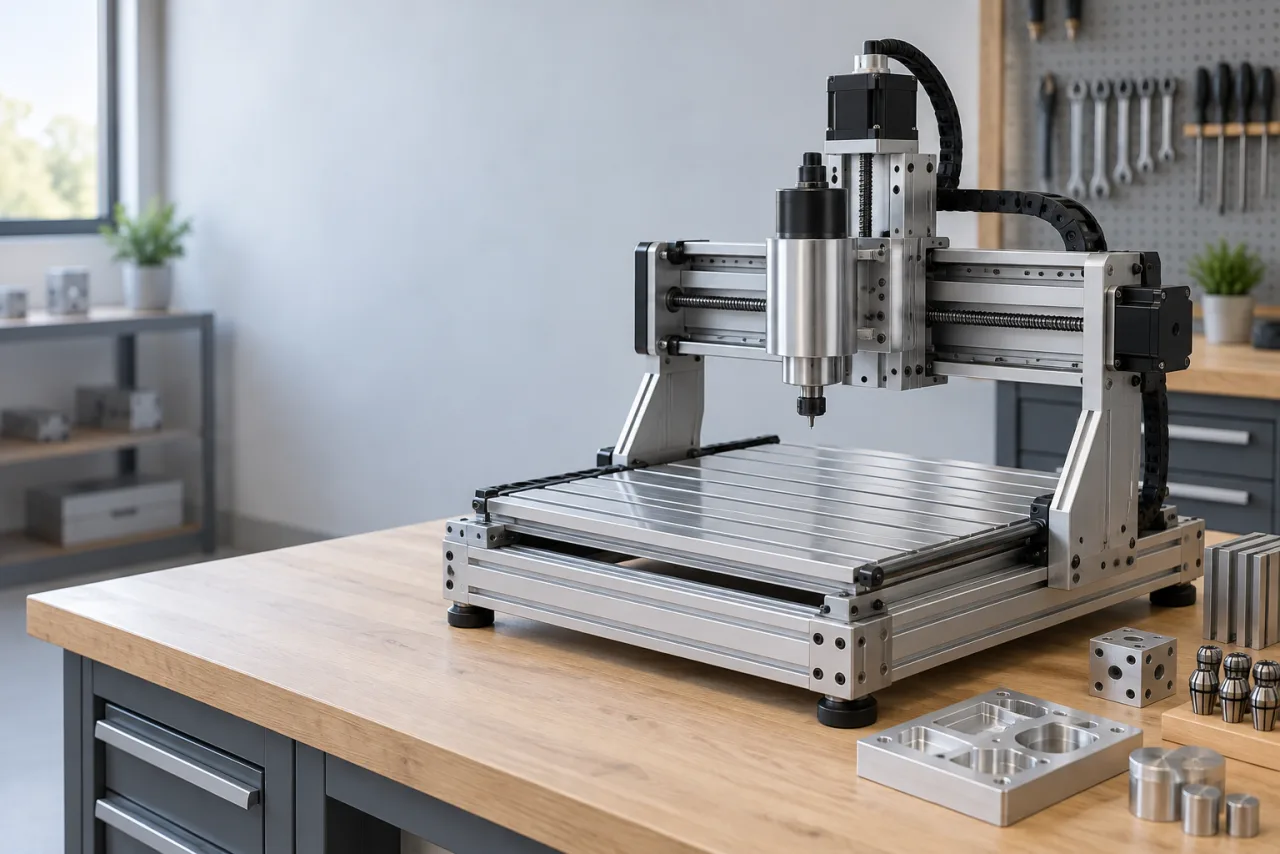 Low-price desktop CNC: the usable-total-cost checklist