
-
Business identity, seller role and the party responsible for technical support.
-
Model, revision, serial number where available and whether photos show the actual unit.
-
New, used, refurbished, kit or complete-machine status, with included parts itemised.
-
Spindle/drive, rails/screws, controller, computer/software requirements and electrical rating.
In this guide
Turn this guide into a buying request
Keep this page as context. Add what you know; review everything before sending. No purchase is made at this step.
Continue to request →A useful supplier check separates seller statements from documents, direct observations and measurements. Agree the scope in writing before purchase, including whether the exact machine will be powered, test-cut and measured.
This checklist describes evidence to request. Inspection availability, price, site access and test capability must be confirmed for your order; a visual warehouse check is not a machine-safety certification.
Resolve the seller and the exact machine
- Business identity, seller role and the party responsible for technical support.
- Model, revision, serial number where available and whether photos show the actual unit.
- New, used, refurbished, kit or complete-machine status, with included parts itemised.
- Spindle/drive, rails/screws, controller, computer/software requirements and electrical rating.
- Manuals, safety documentation and any destination-specific conformity evidence for that model.
Define a test that answers your buying question
Provide the material, representative part and measurable acceptance criteria. Ask for machine identification, cutter details, workholding, cutting conditions, cycle and final measurements. A supplier’s demonstration on another configuration should be labelled as such; do not call it acceptance of your unit.
Use clear evidence labels
- Observed: the inspector directly saw the stated feature or operation, with date and item identity.
- Measured: value, units, method, instrument and agreed limit are recorded.
- Document reviewed: document issuer, model/revision coverage and what was checked are stated.
- Supplier states: the seller’s claim has not been independently established.
- Unresolved: missing evidence or conflicting details require a decision before release.
Choose measurement fit for the tolerance
Specify how results will be measured and evaluated, especially close to acceptance limits. NIST explains that metrological traceability links a result through documented calibrations and uncertainty; owning a calibrated instrument alone does not establish that every measurement is fit for purpose.
NIST: metrological traceability and measurement uncertainty ↗
Set release and failure rules
List must-pass checks, tolerated cosmetic issues and unresolved items that block shipment. Agree who can approve a deviation, who pays for retesting and what happens if the seller cannot meet the order. Keep purchase approval, inspection acceptance and shipping release as separate decisions in the record.
Request an order-specific inspection quote
Send the listing, machine configuration, test drawing, destination and required evidence. Ask for the sourcing fee, inspection scope, optional technical tests, packing and freight separately. Support or corrective work should be promised only in the accepted written scope.
What to ask the seller
Get details for the exact item before approving a purchase.
- What model and revision is being shipped?
- Can the seller provide photos of the actual item and its condition?
- What accessories and documents are included?
- What are its packed dimensions and weight?
Plan the CNC inspection
Ask for a photo checklist of the goods received before international shipping.

- Item, model and quantity
- Visible condition and included accessories
- Packaging before dispatch
Common questions
- Is every machine fully test-cut?
- Do not assume it. A visual completeness check, power-on test and measured cutting trial are different services; confirm the agreed scope for your machine.
- Does a test cut prove compliance?
- No. It supports a performance claim for the tested setup. Product compliance and safe installation require their own applicable evidence and assessment.
- Can I review results before shipment?
- Make review and release an explicit condition in the purchase and inspection plan, including timing, report contents and the party authorised to approve.
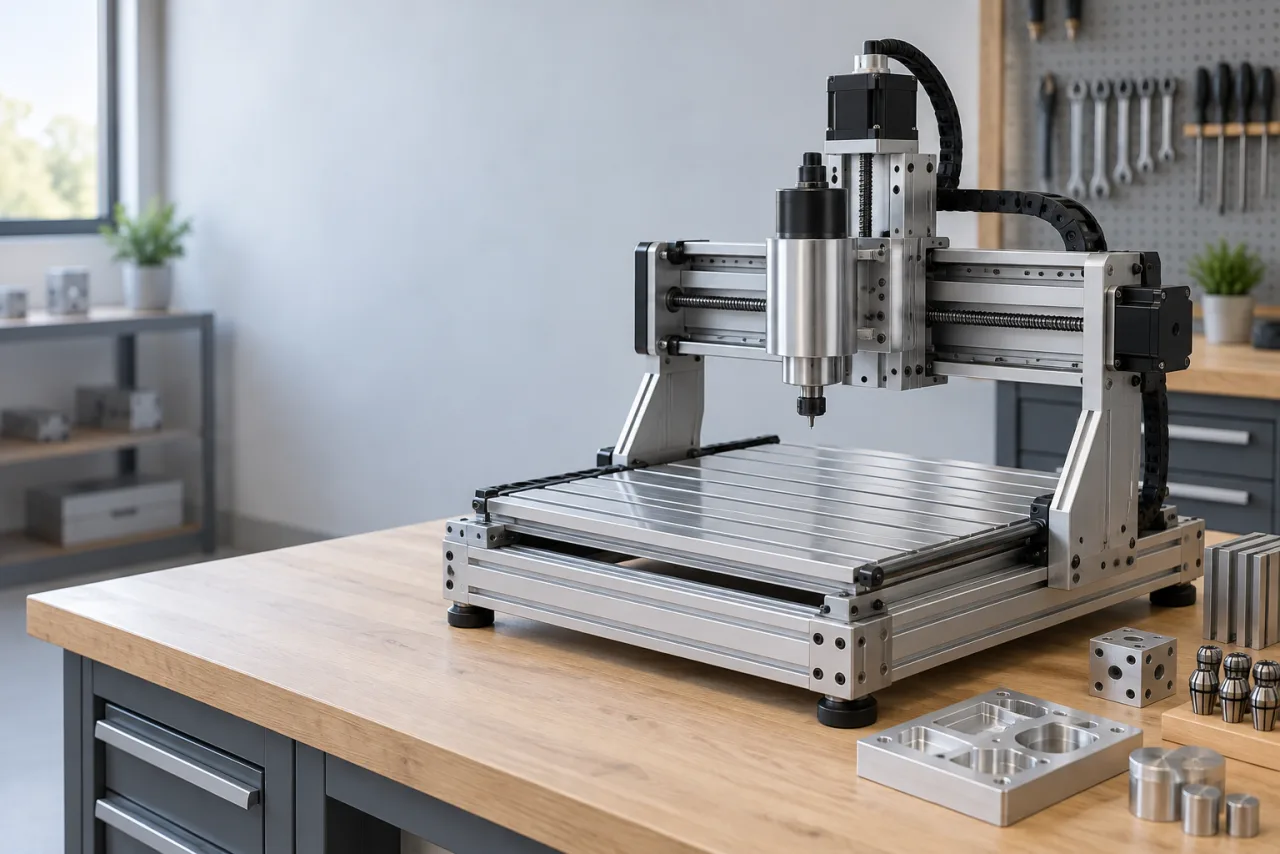 Desktop CNC machines for metal: prove the job before buying
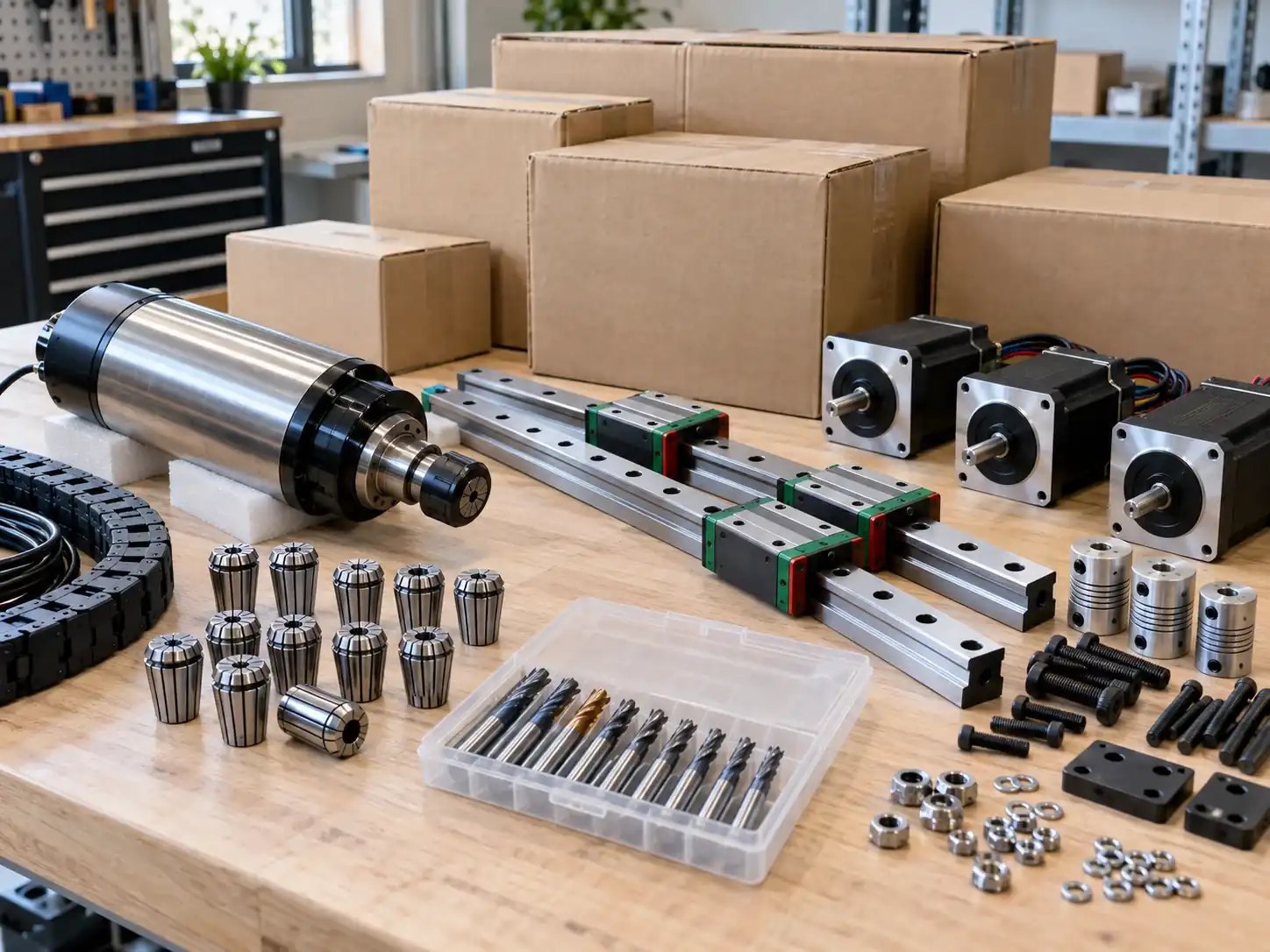 Shipping a CNC machine: packing and arrival checks