
-
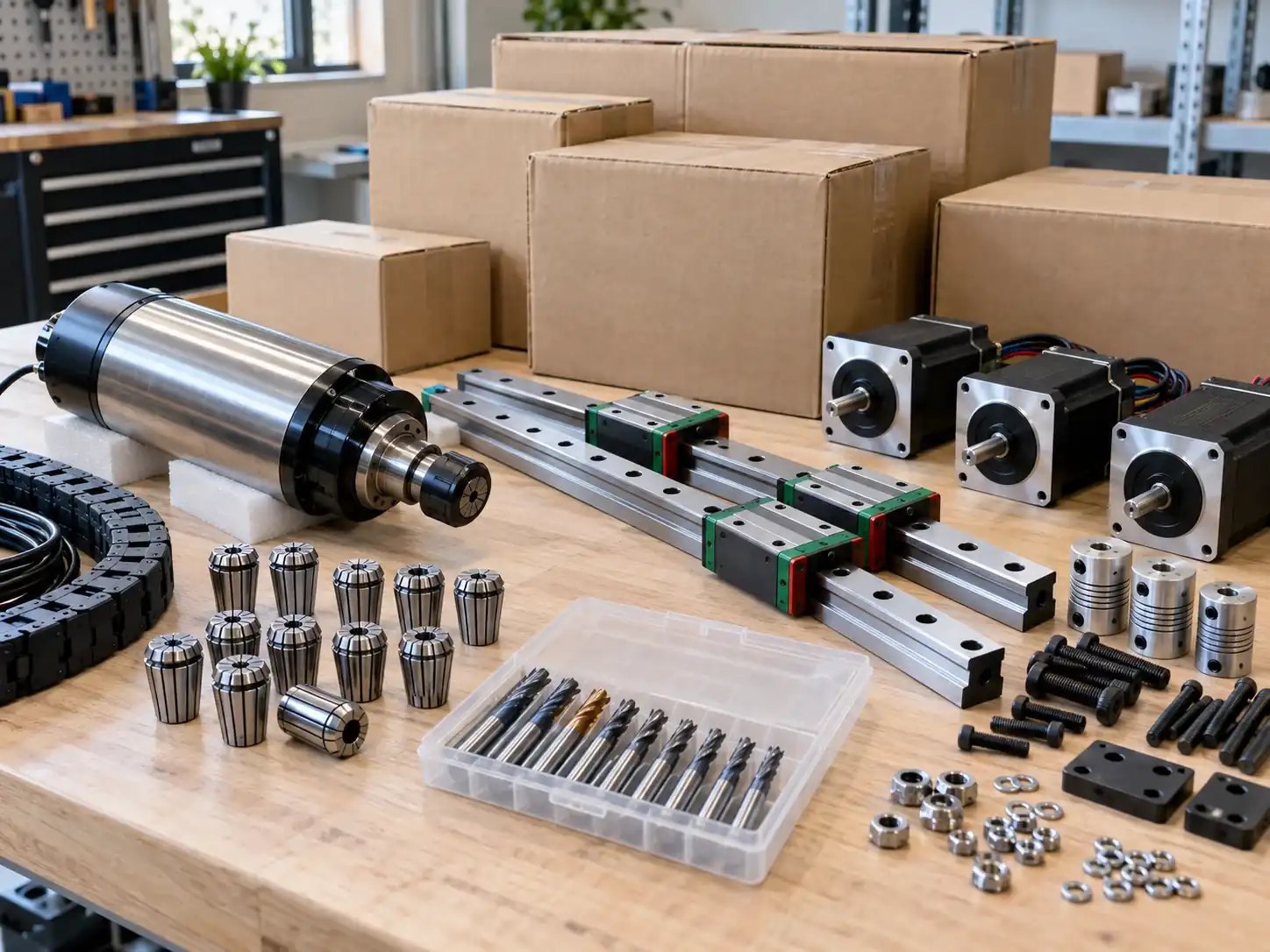
Record machine identity, accessories and condition against the agreed packing list.
-
Obtain the manufacturer’s transit preparation and lifting instructions; do not invent bracing positions.
-
Confirm suitable base, anchoring, centre-of-gravity information and forklift or lifting access.
-
Protect exposed surfaces with compatible materials and secure loose accessories separately.
In this guide
Turn this guide into a buying request
Keep this page as context. Add what you know; review everything before sending. No purchase is made at this step.
Continue to request →A CNC shipment needs a packing and handling plan for the exact machine. Transit locks, lifting points and corrosion protection should follow manufacturer instructions, with responsibilities written into the quote.
No packing method eliminates every transit risk. Keep photos, the packing list and the carrier and insurance terms so a problem can be reported through the correct process.
Before the crate closes
- Record machine identity, accessories and condition against the agreed packing list.
- Obtain the manufacturer’s transit preparation and lifting instructions; do not invent bracing positions.
- Confirm suitable base, anchoring, centre-of-gravity information and forklift or lifting access.
- Protect exposed surfaces with compatible materials and secure loose accessories separately.
- Ask the forwarder to check wood-packaging and documentation requirements for the route.
- Record final gross weight, outside dimensions, number of crates and stackability.
Define the evidence you expect
Request photos of the actual machine before packing, its secured condition, accessories, closed crate and shipping labels. Photos document visible preparation; they do not prove internal structural capacity or that a machine still holds accuracy after handling. Keep the packing specification and responsible party in writing.
Compare a door-to-door schedule
Separate readiness, collection, export handling, departure, main transport, arrival handling, customs, final delivery and commissioning. Ask whether times are calendar or working days and whether they are estimates or contractual commitments. A port-to-port sailing duration is not a workshop-ready date.
Check insurance and claims terms before booking
- Insured item and value, coverage territory, exclusions, deductible and responsible claimant.
- Packing and used-equipment exclusions, where relevant.
- Notification deadlines and evidence required for visible and concealed damage.
- Who pays for examination, survey, repair, return transport or disposal, and when approval is needed.
At arrival: inspect before operation
- Photograph all crate sides and labels before opening. Record visible concerns with the carrier according to its procedure.
- Open and inspect only when handling can be done safely; retain packaging and document missing or damaged items.
- Follow the manufacturer’s unpacking and transit-lock removal sequence. Do not force axes by hand or energise damaged equipment to see whether it works.
- Have electrical installation and commissioning done by appropriately qualified people. Repeat the agreed functional acceptance checks.
Treat power-on as a commissioning step
Haas, for example, warns against powering up its equipment before installation is complete and limits electrical-panel access to qualified electricians. Use your machine’s own instructions and qualified support; a shipping agent’s visual check does not replace commissioning.
What to ask the seller
Get details for the exact item before approving a purchase.
- What model and revision is being shipped?
- Can the seller provide photos of the actual item and its condition?
- What accessories and documents are included?
- What are its packed dimensions and weight?
Plan the CNC inspection
Ask for a photo checklist of the goods received before international shipping.
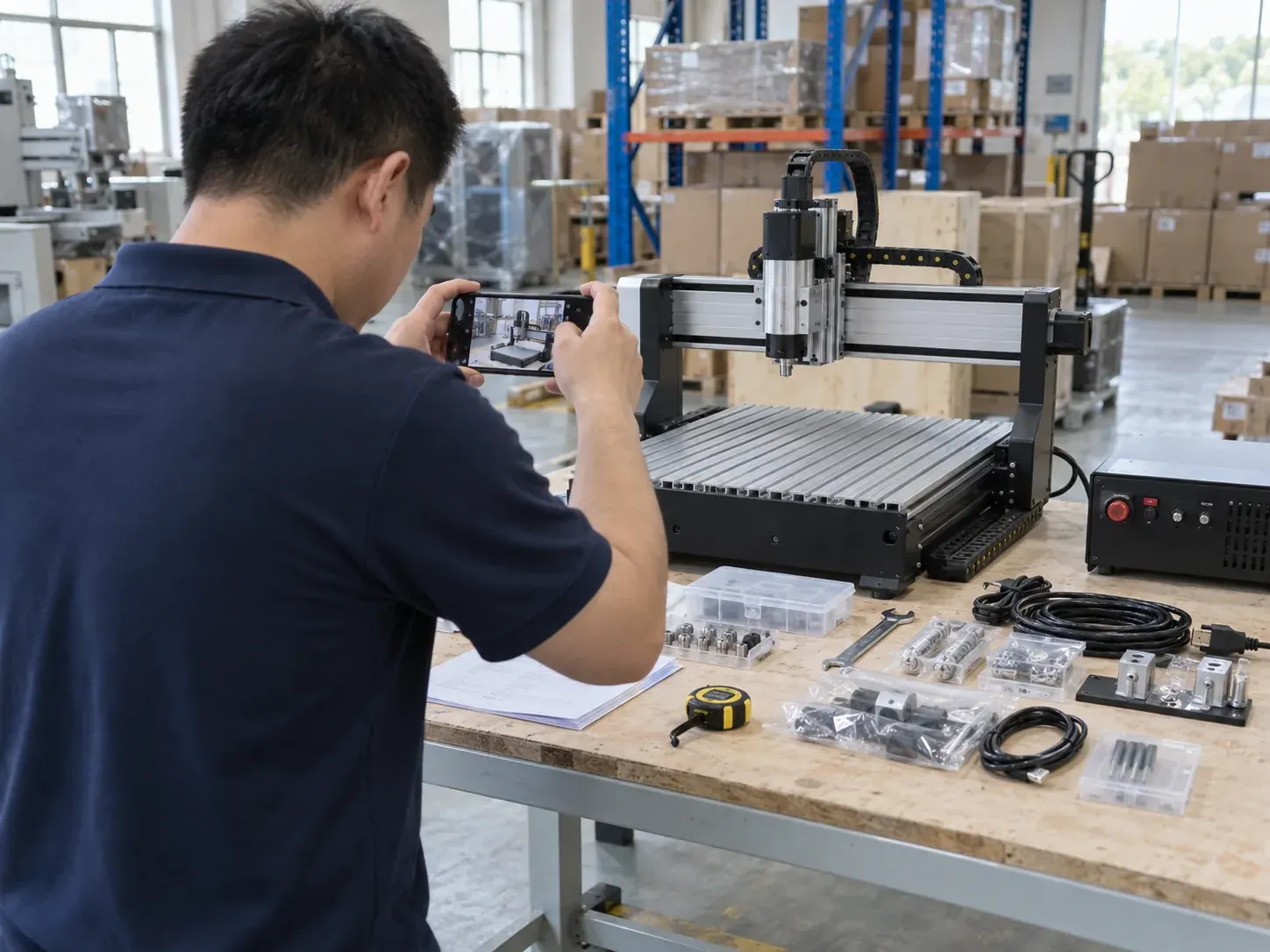
- Item, model and quantity
- Visible condition and included accessories
- Packaging before dispatch
Common questions
- Can a machine be tested before dispatch?
- Request a scoped test on the actual unit and agree its cost and evidence before purchase. A test does not establish immunity from subsequent transport damage.
- How long will sea freight take?
- Use a current route quote with named origin, destination, handling stages and a readiness date. Do not use a generic transit range as the production restart date.
- Who handles a damage claim?
- The sales, carriage and insurance contracts determine that. Agree the contacts and evidence requirements before dispatch; do not assume every loss is covered.
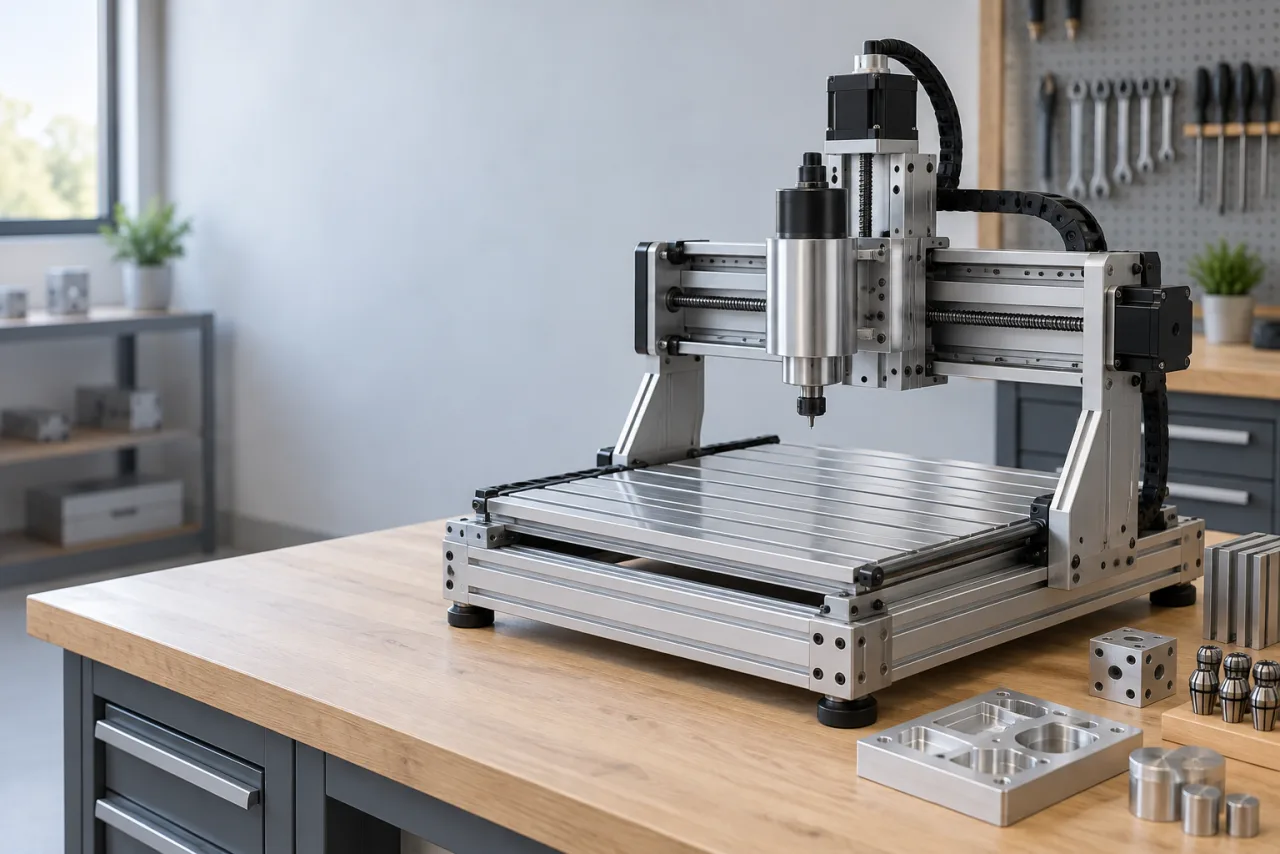 Used Xianyu CNC vs new: inspect first, compare total cost