Every machine has a short list of parts that will need replacing, and on a desktop CNC that list is cheap, predictable and almost never stocked before it is needed. A ten-yuan limit switch stops a machine just as completely as a spindle does.
This is the category worth buying twice: once when you buy the machine, and once more so the second set is already on the shelf.
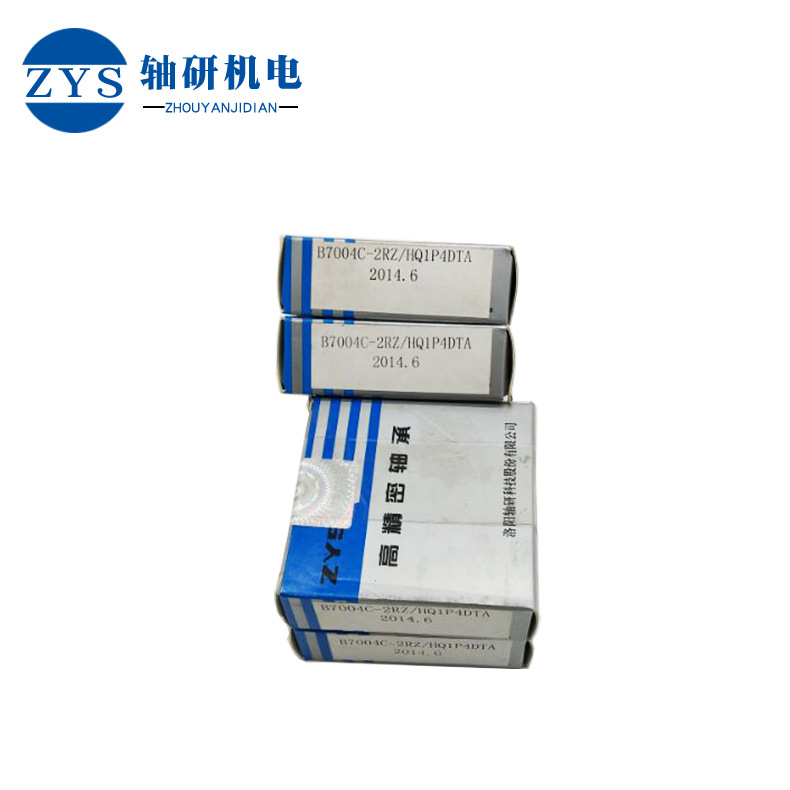
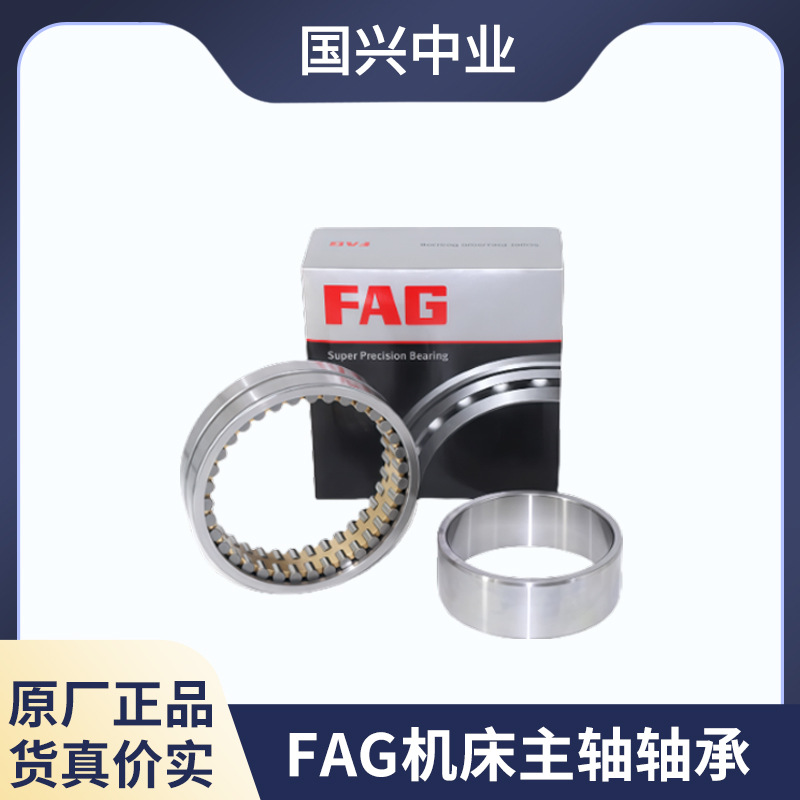
Spindle bearings are the part with a real lifespan
They are consumable by design. A spindle that has started to whine or has visible runout usually needs bearings, not replacement. Angular contact bearings come in precision classes and matched pairs, and buying a single bearing for a paired seat is the common mistake.
Belts stretch before they break
A timing belt loses tension gradually, and the symptom is dimensional drift that looks like a machine problem. Tooth profile and pitch have to match the pulleys exactly — HTD, GT2 and T-series are not interchangeable whatever the width.
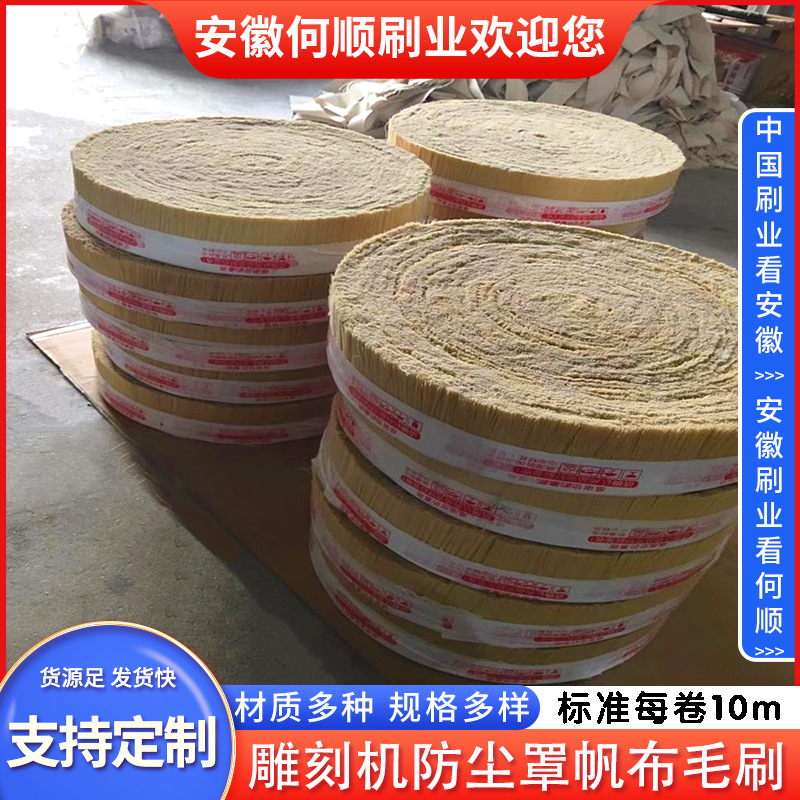
Carbon brushes are the cheapest thing that stops a machine
Brushed spindles and trim routers wear brushes out. They cost very little, they are machine-specific, and almost nobody has spares until the machine stops mid-job.
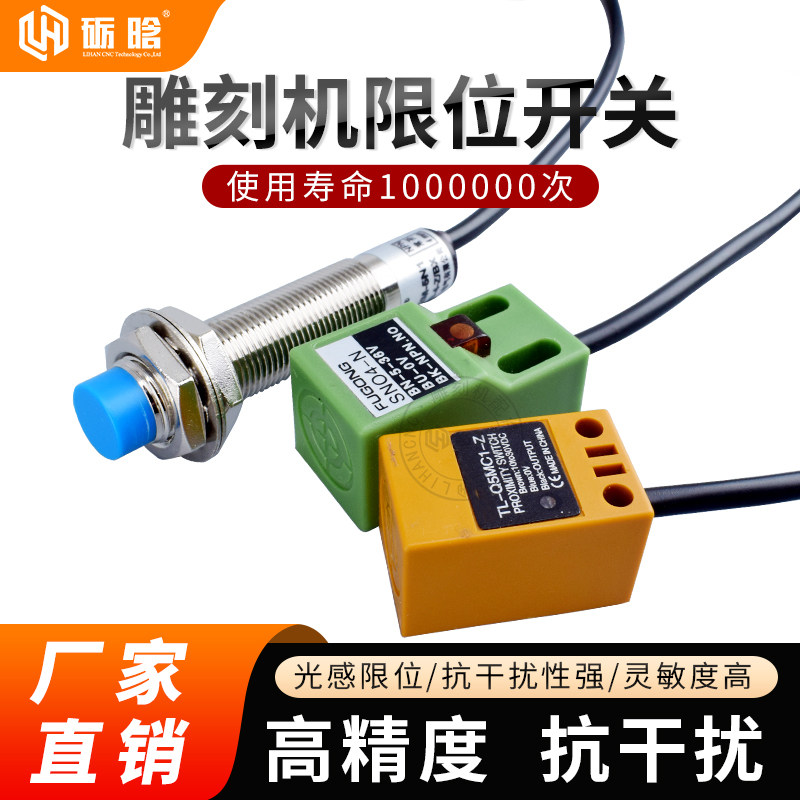
Limit switches fail dirty, not dead
Dust and chips make a mechanical switch intermittent long before it fails outright, and an intermittent home switch produces parts that are wrong in a way that is hard to diagnose. Keep spares; they cost almost nothing.
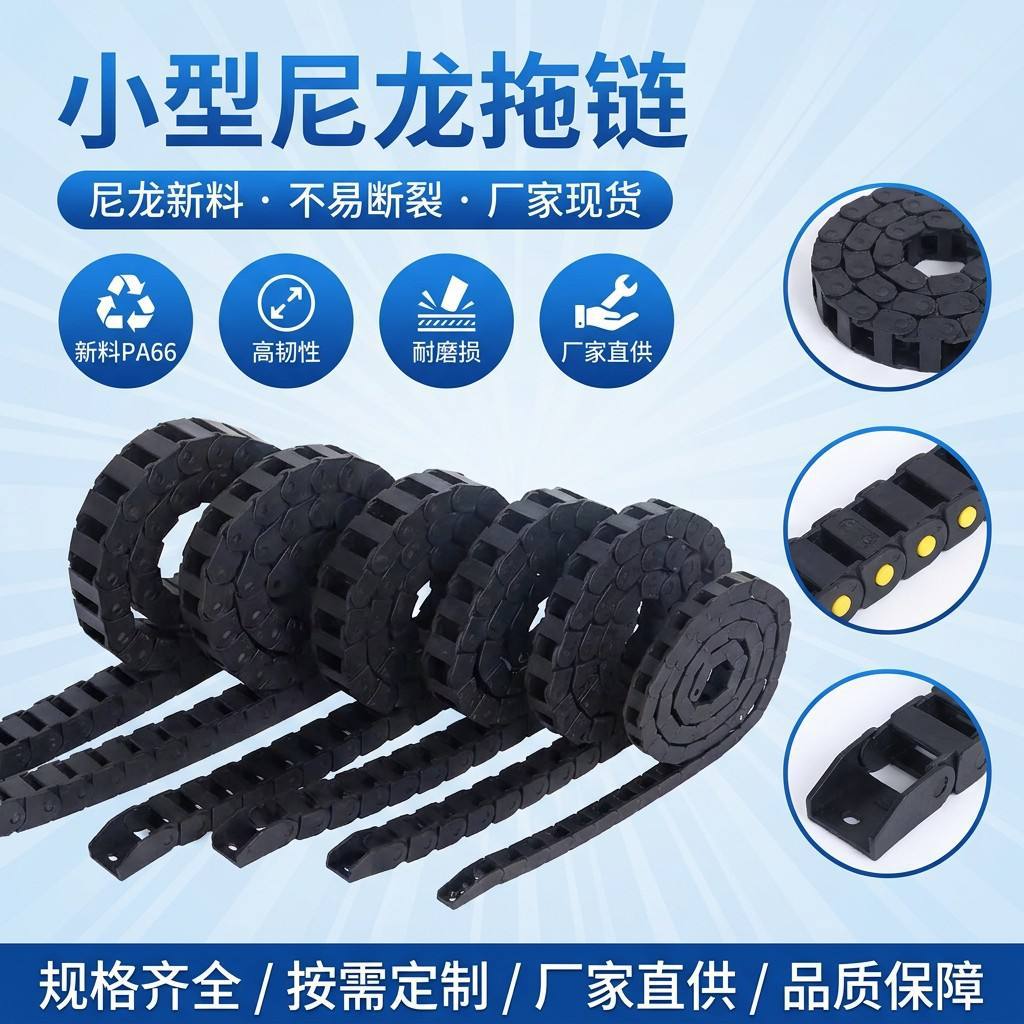
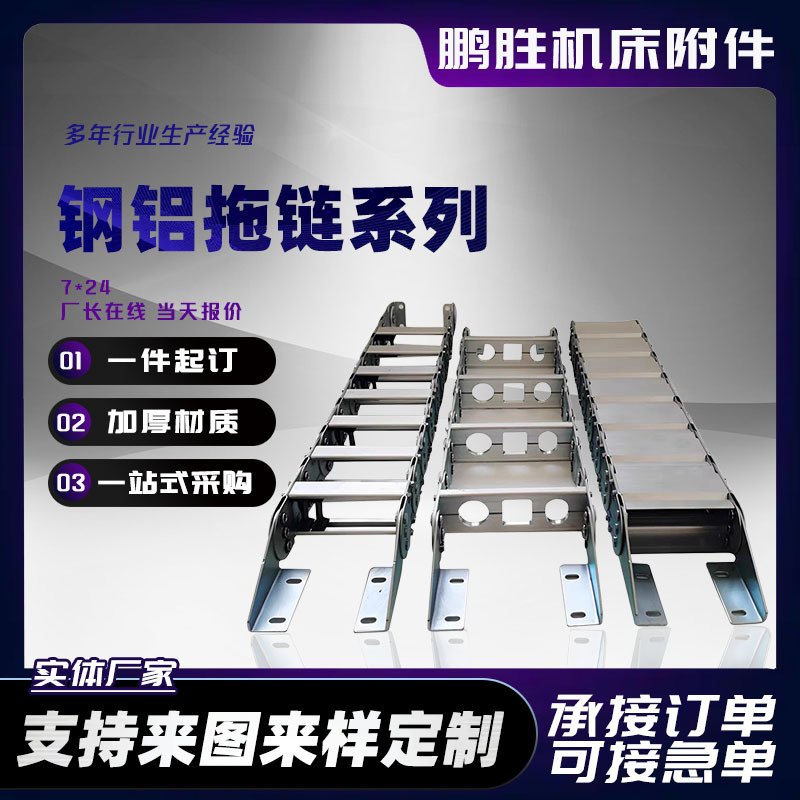
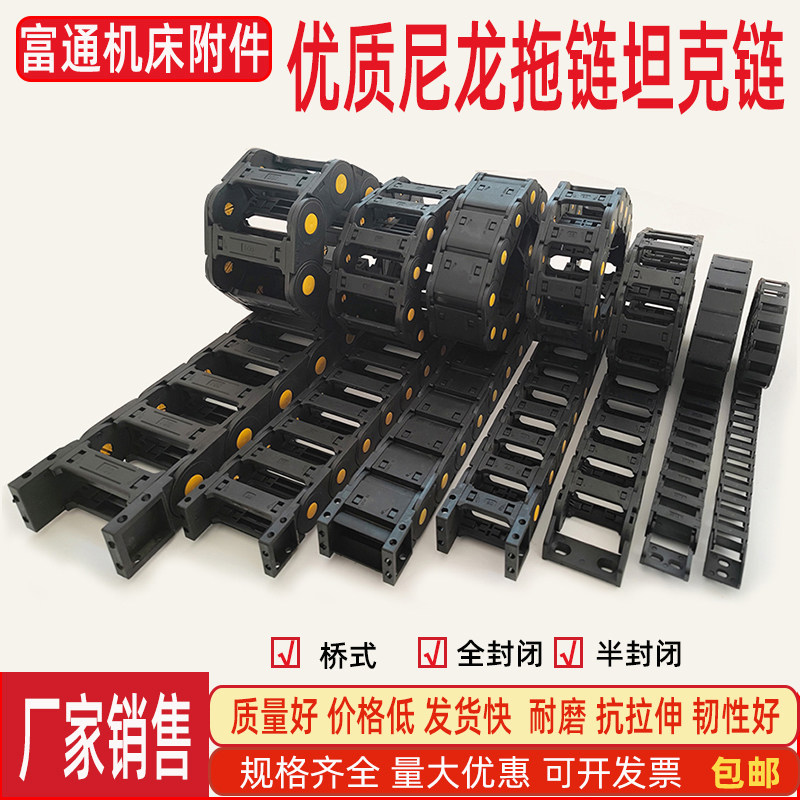
Drag chain and cables are wear items too
Cable chain cracks, and the cores inside a cheap cable break from flexing where you cannot see them. On a machine that runs daily, treat both as consumable rather than permanent.
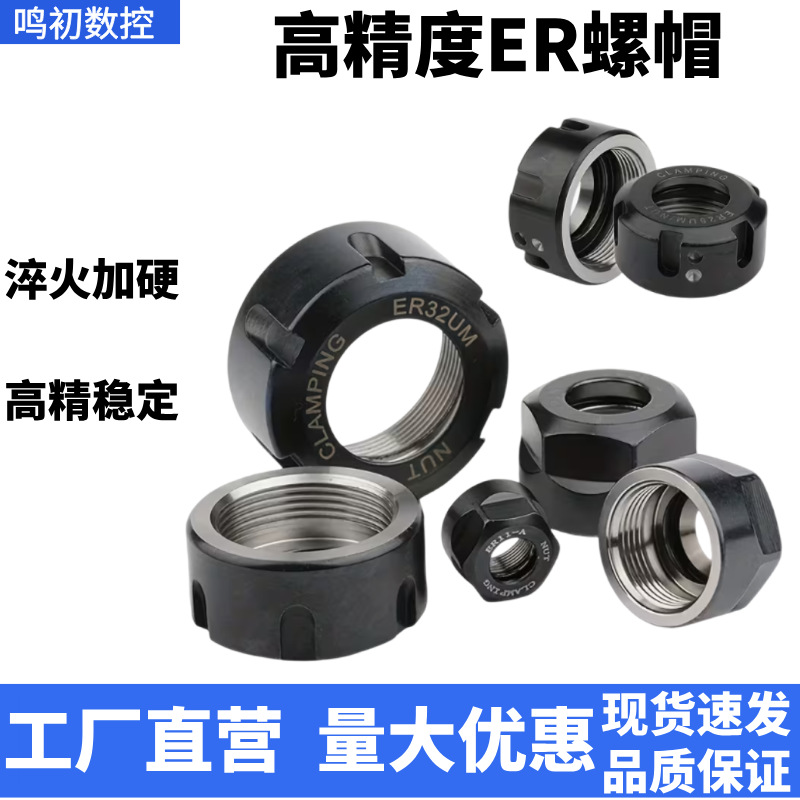
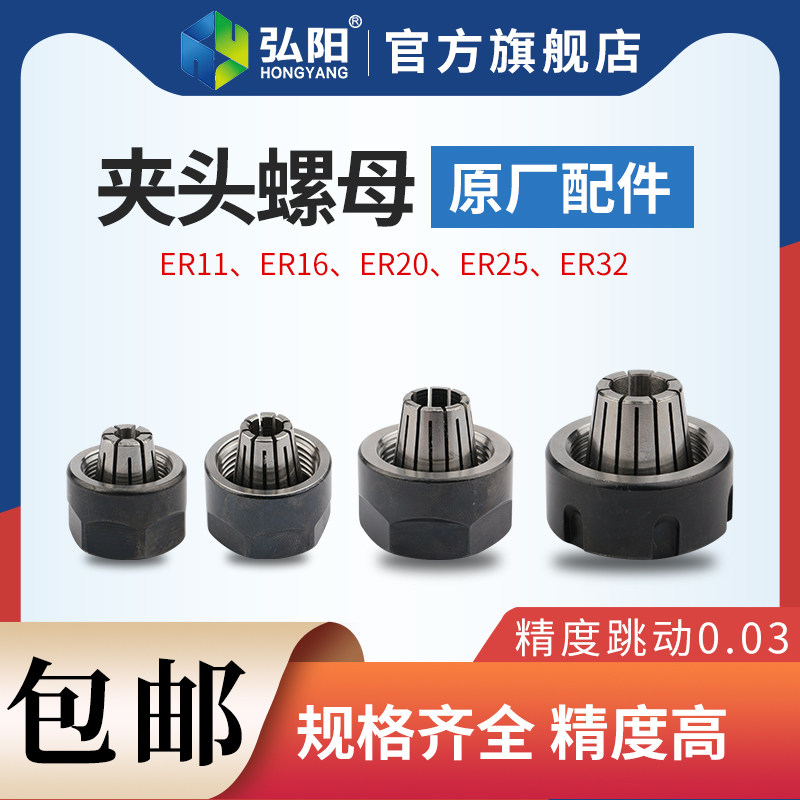
Collet nuts and collets wear out of tolerance
A worn nut or a bruised collet shows up as runout and poor finish, and people replace the cutter or the spindle first. Keep a spare nut and a spare collet in the sizes you actually use.
How an order runs
Tell us the machine and the partMake, model, and what failed — or what you want on the shelf before it fails. Photographs of the old part settle most identification questions in one message.
Identification before priceBearing designation and precision class, belt pitch and length, brush dimensions, switch type. A cheap part that does not fit is not cheap.
Matched sets where they matterBearings in paired sets, belts in the right count, brushes in pairs — so the parcel actually completes the repair.
Sensible quantitiesThese are cheap and dense. Buying two of everything usually costs almost nothing extra and saves a second shipment later.
Quote and approvalItemised with our fee and freight. Nothing is bought until you approve it.
Consolidate and shipSmall and light, and the cheapest things to add to a machine or tooling order. On their own they are almost all freight.
What wear parts actually cost
461 listings read on 2026-09-22, sorted into the three ways you can buy.
The price bands below are computed over all of them; the items further down are a
spread across each band so you can see the range rather than only the cheap end.
Wholesale · 1688
$2.99median · $1.48–$8.21 middle half
361 listings
Bought by the batch. Lowest unit price, and the seller expects a business buyer.
Retail · Taobao
$1.57median · $1.19–$5.23 middle half
99 listings
Single units, consumer packaging, and a price that already carries a retail margin.
Used · Xianyu: 1 listing — too few to quote a band from, so we do not. Nobody resells this category second-hand in any volume; that is the finding, not a gap in our data.
Ex-works prices in US dollars, converted at 6.696 CNY per USD on 2026-09-22.
They exclude our fee, crating, freight and duty — the quote form prices those.
We do not hold stock; these are live supplier listings and any one of them can go
out of stock or change price between collections.