
Record Empty-Container Return Availability for a CNC Delivery
Separate machine unloading completion from actual empty-container return availability, and preserve evidence for a shipment-specific charge review.
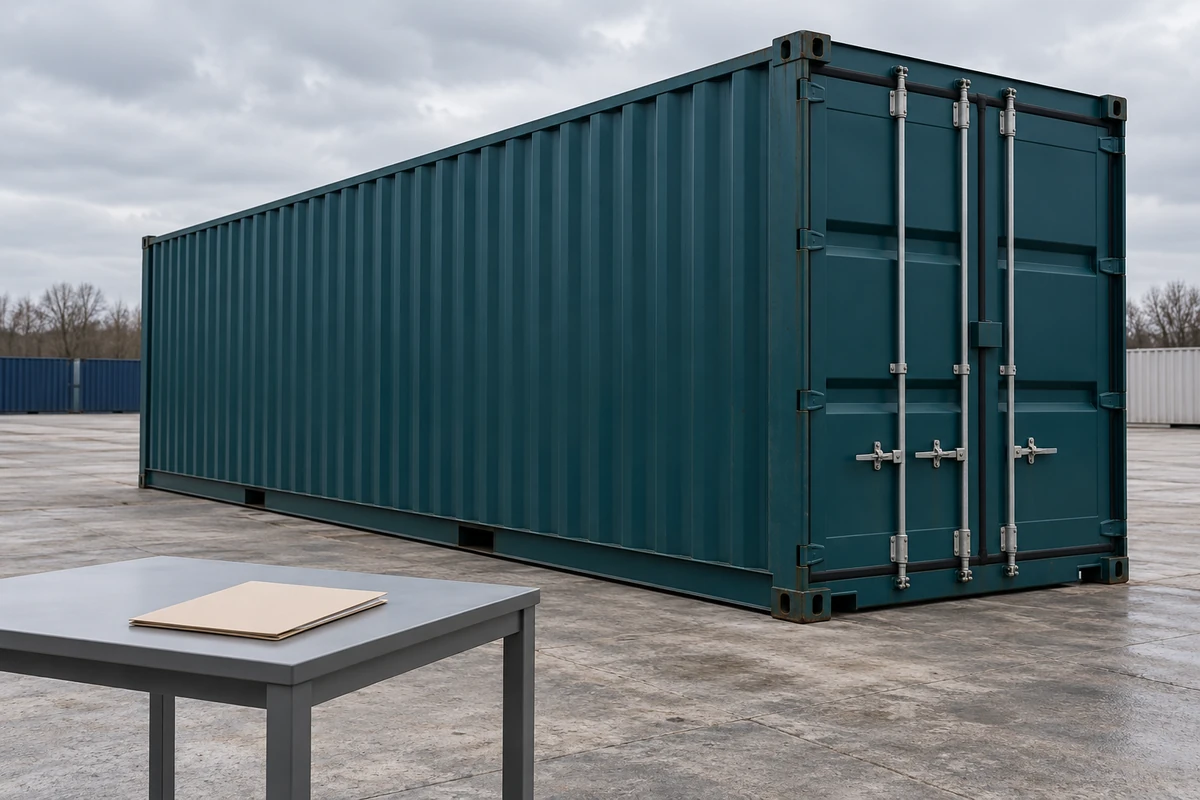
A CNC machine may have reached its receiving point while the shipping container remains outstanding. Before treating the delivery as commercially closed, establish where the empty equipment must be returned, whether the instructed facility can accept it and what evidence will confirm the return. Keep the buyer’s unloading dependency separate from the depot’s availability.
This record concerns empty-equipment events and a possible charge review. It gives no unloading, lifting or transport method, and it does not determine whether a particular detention charge is payable.
Identify the equipment that still needs a return event
Start with the container reference and any separately accountable equipment in the actual transport arrangement. Link them to the machine shipment and the party arranging the return. A workshop receiving record identifies the delivered goods; it may say nothing about the carrier’s equipment-return status.
Ask the arranging provider for the applicable return instructions, their issuer and their effective time. Record the authorized return location and any appointment requirements stated for that equipment. If a depot changes, preserve both instructions and the change notice rather than replacing the first address without a trail.
Keep the commercial arrangement beside this record. Obtain the applicable free-time basis, counting rules, return event that stops charging, relevant time zone and the party responsible for querying charges. These are order-specific inputs. There is no assumed allowance or universal daily rate for a CNC shipment.
Separate workshop readiness from return availability
A machine delivery may depend on a qualified unloading provider and an agreed site plan. Record the provider’s attributable completion status without giving instructions to accelerate the work. A cost concern does not justify untrained unloading or bypassing an approved handling plan.
Then record the actual empty-return position. The equipment being ready for return, a truck being available, an appointment being requested, a depot accepting the request and the physical return being recorded are different events. Keep their dates and sources separate so a later review can understand the sequence.
If the machine remains in the container because the buyer’s site is not ready, state that fact. If unloading is completed but the instructed depot cannot offer an appointment, preserve that distinct fact. Neither scenario should be rewritten to resemble the other in order to support a preferred charge outcome.
Capture the evidence while the instruction is current
Ask the return coordinator to retain dated appointment requests, responses, relevant availability notices and any refusal or changed instruction. Preserve the exact equipment and location references. A general screenshot of a closed gate may not establish whether the instructed depot could accept this particular return at the relevant time.
An editorial event register can use the following fields:
| Event or condition | Evidence to retain | Question it answers |
|---|---|---|
| Applicable allowance | Current contract/quote reference and counting basis | What was agreed for this equipment? |
| Unloading completion | Responsible provider’s dated status | When was the buyer-side dependency resolved? |
| Return instruction | Issuer, location and effective time | Where was the coordinator told to return it? |
| Appointment attempt | Request, time and attributable response | What return opportunity was sought? |
| Unavailability or refusal | Scope and duration of the actual response | What prevented that proposed return? |
| Revised instruction | New reference and communication time | When did a different option become known? |
| Completed return | Provider/depot record and equipment identity | What event is evidenced as completed? |
Do not fill missing dates from memory without labeling their basis. Keep original records even when the provider later supplies a consolidated history.
What a US case does and does not establish
In July 2026, the US Federal Maritime Commission reported a court decision upholding its finding that detention charges were unreasonable in a specific port-closure case. The evidence about the practical ability to return equipment mattered to that decision. This is US case-specific background, not a worldwide rule that every closure or failed appointment automatically cancels fees. FMC return-availability case summary
A separate current-source caution matters when reviewing US billing advice: section 541.4 of the FMC billing rule was set aside and removed, effective 29 December 2025; the removal notice says the other provisions remain in effect. Do not reuse the older provision’s invoicing-party restriction as current law. FMC removal notice
For an actual dispute, have the responsible adviser establish jurisdiction, current rules, contractual basis and applicable response requirements. This article supplies neither a legal conclusion nor a universal dispute deadline.
A fictional completed unload with no return appointment
Imagine a fictional CNC-router delivery. The qualified unloading provider confirms its approved work is complete. The return coordinator requests an appointment at the depot named in the carrier’s instruction, but the response shows no available appointment for the proposed return. A later message names another depot.
Preserve the unloading completion record, original instruction, request and response, then the replacement instruction and its time. Ask the coordinator to explain which return options it could actually use during each part of the sequence. Do not assume the later depot instruction existed earlier, and do not assume that requesting an appointment proves every other return dependency was ready.
If charges are invoiced, send that evidence to the responsible charge-query owner and request review against the applicable terms. Keep billed days, disputed days and the supporting events distinct. A request for review is not a confirmed waiver, and the buyer should not erase the invoice or invent a credit in the landed-cost record.
If the provider corrects the charge, retain the correction and original invoice together. If it maintains the charge, preserve its explanation and obtain appropriate advice on the next permitted step. The event record remains useful even when the outcome differs from the buyer’s expectation.
Close the return and the cost question separately
First confirm the equipment-return event through the relevant provider record. Then confirm any remaining billed amount, credit or unresolved query. A truck leaving the workshop does not by itself prove return completion; a completed return does not prove the final invoice is settled.
For the next machine purchase, identify the return coordinator alongside the destination receiving plan. Ask how instruction changes will reach that person and who will review time-sensitive exceptions. This is more actionable than inserting a generic contingency percentage into every freight estimate.
An independent buying agent can help organize supplier and logistics correspondence for the buyer. Qualified providers own machine handling, and the responsible carrier, depot and advisers resolve their respective records and terms. See CNC router kits for purchase-scope context.
Start the CNC quote request with a supported listing link, description or product images. Up to five PNG, JPEG, WebP or GIF images are accepted, no more than 10 MiB each and 20 MiB total. Use a separately authorized exchange for transport records and other technical files; the image field does not accept PDF, CAD or ZIP.
Frequently asked questions
Does delivery of the machine prove the container was returned?
No. Keep the workshop delivery, unloading completion and equipment-return records separate, and obtain the actual return confirmation for the identified equipment.
Does a closed depot automatically remove detention charges?
No automatic outcome is claimed. Preserve the actual instructions and availability evidence for a review under the applicable contract, jurisdiction and current rules.
What if the return depot changes?
Retain the original and revised instructions with their effective and communication times. Ask the coordinator to document how the change affected the available return plan.
Should a requested waiver reduce the cost total immediately?
Keep it conditional until resolved. Record billed amounts, disputed amounts and confirmed credits separately so a request is not represented as money recovered.
Sources
Discuss a sourcing request related to this article.Record Empty-Container Return Availability for a CNC Delivery