
CNC Spindle Exchange Cost: Include the Core’s Return Journey
Compare an exchange spindle with an outright purchase using both freight legs, the exact core obligation and conditional credit terms.
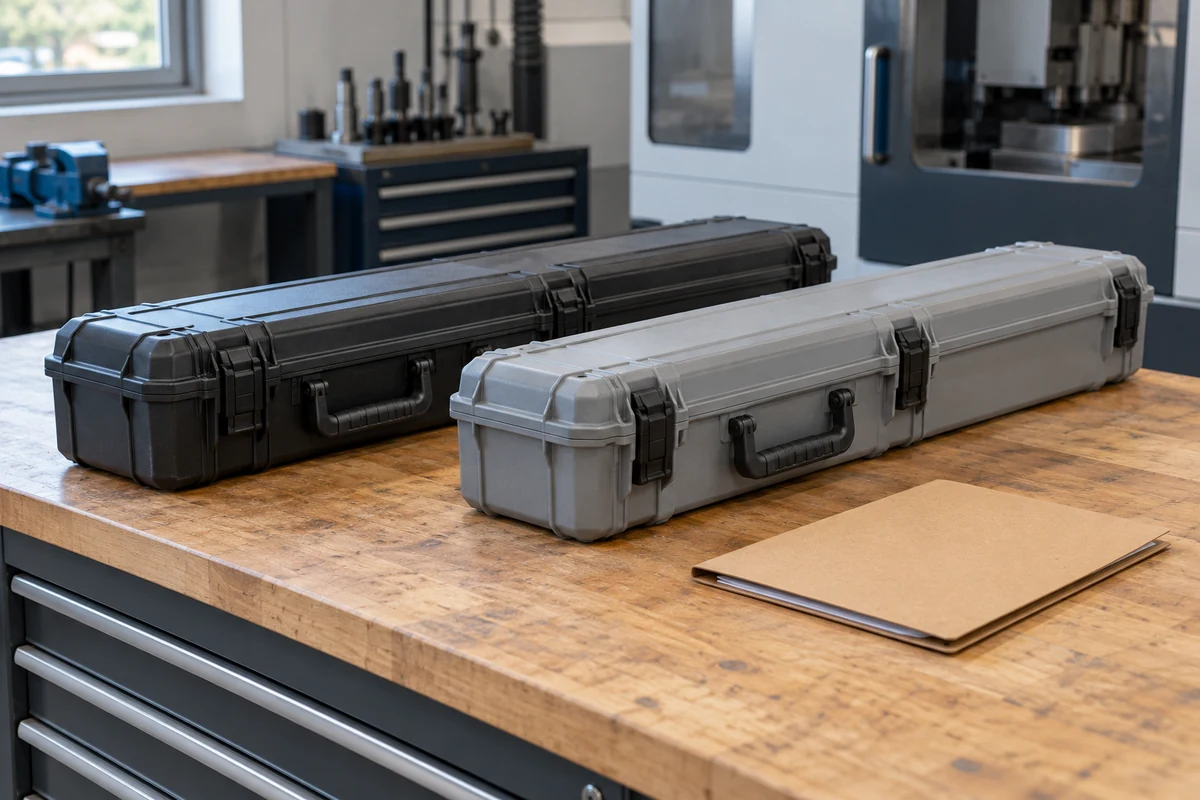
A lower spindle exchange amount is not a complete purchase cost until the old core’s return obligation is defined. Compare the replacement’s delivery and the core’s return as two separate movements, then distinguish the money payable now from any later credit that still depends on acceptance.
The full cost of a CNC spindle exchange belongs in the pre-purchase review. An exchange can create an obligation to surrender an identified old assembly even when no purchase dispute exists. The decision here is whether the offer is economically usable, not how to remove a spindle, repair it or claim customs relief.
Establish what the exchange offer means
Ask the seller to distinguish an outright purchase from its exchange proposal. Obtain the actual payable amount, any separately stated core charge or deposit, and the conditions attached to surrendering the old unit. Do not impose a deposit-and-refund model if the seller uses another structure, such as a reduced exchange price with a later charge for an ineligible or missing core.
Haas’ official parts results identify particular spindle products as core-exchange items. That is evidence that such offers exist, not that every spindle qualifies or that the current buyer has an accepted exchange. Haas spindle parts listings
Record the replacement’s complete reference and the old assembly the seller agrees to consider. Keep their identities separate. They need a documented commercial relationship, not an invented shared serial number. Ask which components and accessories belong to the owed core and which remain with the buyer under the actual offer.
If the old unit’s identity or condition is unresolved, tell the seller before treating the exchange figure as firm. A machine model alone may not establish that its installed spindle satisfies the seller’s core eligibility rules.
Make the return event explicit
Ask what action satisfies the core obligation: dispatch, delivery to the named receiver, recorded receipt, or completed assessment. Ask for any actual deadline and how it is measured. Those are questions for the specific offer; this article supplies no standard deadline.
Haas’ current service-parts policy assigns the core return to the customer, calls for its RMA identification and states that return freight must be prepaid. The cited passage does not establish a current core amount, universal due date or credit timing. These are Haas-specific terms, not rules for another seller. Haas service-parts and core-return policy
For the proposed transaction, confirm the authorized destination, receiving contact and return reference. Ask who will acknowledge the core’s identity on receipt, how an assessment outcome will be communicated and which event creates any credit. Preserve the actual written answer. A delivery tracking event and an approved core credit should have separate entries.
Where eligibility will only be decided after receipt, request the commercial consequences of each outcome before approving the exchange. The seller should explain any proposed charge, reduced credit or other disposition; the buyer should not invent the answer from a previous order.
Quote both transport legs
The replacement can leave the seller from one location while the old core must reach a different service or exchange facility. Confirm both endpoints. An outbound delivery term should not silently become the return-freight agreement.
For each leg, request the actual package basis from the responsible provider and a quote covering the agreed collection-to-receiver scope. Identify the payer and exclusions. If the seller offers use of a case for the return, ask what is supplied, when it becomes available and which provider approves its role. Do not assume that delivery of the replacement automatically provides an accepted return arrangement.
Ask whether the planned return depends on work by the buyer’s qualified spindle-service provider. Obtain its scope and any applicable price separately. Procurement can record that dependency without providing removal or preparation instructions.
For a cross-border return, obtain the relevant representative’s actual advice and quoted charges. A core exchange does not itself establish tax recovery or returned-goods treatment. Keep those unknowns visible without turning this comparison into a customs procedure.
Build a cash-and-obligation worksheet
| Entry | Confirmed record | Unresolved exposure |
|---|---|---|
| Outright alternative | Exact spindle and complete delivery offer | Missing scope or technical approval |
| Exchange purchase | Amount due and what it buys | Core-dependent adjustment |
| Eligible core | Agreed identity and supplied contents | Condition or eligibility still awaiting assessment |
| Return obligation | Receiver, authorization and actual due event | Unanswered destination or timing condition |
| Replacement freight | Quoted scope and payer | Excluded charges |
| Core freight | Separately accepted return scope and payer | Unquoted services or route acceptance |
| Credit or adjustment | Trigger, form and amount under the offer | Requested or conditional recovery |
| Closure | Receipt, assessment and account record | Obligation not yet discharged |
This original worksheet keeps two views of the exchange: the supported cash commitment and the outcome if the core conditions are satisfied. Do not subtract a requested credit as though it has already been confirmed. Equally, do not add a core charge twice if it is already included in the seller’s amount due.
A fictional exchange comparison
A fictional workshop considers an outright replacement and a lower exchange offer. The old spindle remains at the workshop. The seller has named an exchange receiver, but nobody has quoted the core’s return or stated whether the seller’s due event means dispatch or accepted receipt.
The buyer keeps the outright offer and the exchange offer as distinct proposals. It asks for the eligible core reference, the due-event definition, the two freight scopes and the assessment-dependent financial terms. The apparent price difference is insufficient to choose the exchange while these items remain open.
Suppose the seller confirms the eligible core description but reserves a condition assessment on arrival. That resolves identity, not final credit. The buyer can now examine the amount it must fund and the expressly stated consequences if the assessment does not support the expected adjustment. No credit amount, freight rate or assessment result is invented.
If the workshop cannot meet the actual return obligation, it asks for a revised exchange proposal or compares the outright alternative. It does not assume that sending a tracking number satisfies the agreement. A commercial extension is effective for this comparison only when the responsible seller confirms it.
Close the core account after the transport
Keep replacement delivery, core receipt, core assessment and the final credit or adjustment in separate records. Ask the seller to reconcile a mismatch against the agreed terms while the evidence is available. The transport may be complete while the commercial account remains open.
We are an independent buying agent and can organize purchasing correspondence within an agreed scope; we do not repair spindles or determine core acceptance. See CNC router spindles, then use the CNC quote request for a supported listing link, description or images. The form supports up to five PNG, JPEG, WebP or GIF images, at most 10 MiB each and 20 MiB combined. Arrange offers and service documents separately through an authorized exchange.
Frequently asked questions
Who pays return freight on a spindle core exchange?
Use the actual exchange offer. The cited Haas policy assigns core return to the customer and requires prepaid freight, but another seller may use different terms. Ask who pays each transport leg and which collection, delivery and other services the stated amount includes.
What return event qualifies a spindle core for credit?
Ask the seller to define the event in its offer and separate any due event from the credit trigger. Dispatch, delivery, recorded receipt and assessment are different records. Do not assume a tracking number satisfies the obligation or that delivery automatically produces a confirmed credit.
Does the exchange quote include both freight legs?
It may not. Request separate scope and payer information for replacement delivery and the old core’s return to its accepted receiver. If a transport amount is included elsewhere in the offer, identify that inclusion to avoid double counting; leave unquoted services visibly unresolved.
How should I compare an exchange when core eligibility is uncertain?
Show the supported amount payable and the seller’s stated consequences if the core does not satisfy the conditions. Keep any contingent credit outside the confirmed recovery figure. Compare the outright alternative on the same delivered scope without inventing a likely assessment outcome or universal core deadline.
Sources
Discuss a sourcing request related to this article.CNC Spindle Exchange Cost: Include the Core’s Return Journey